A developer portfolio can serve several audiences at once. Players want games, potential clients want relevant work, and collaborators want to understand the person behind it. The challenge is giving each visitor a clear path without turning the home page into several unrelated websites. Good structure connects the work through an understandable identity and lets people choose the detail they need.
Dinks Gaming brings together Alex Koch’s independent games, custom websites, automation interests, and full-time digital marketing background. This guide focuses on the information architecture of that mixed portfolio. It is separate from the content requirements of a single game landing page or the personal detail of a biography.
Identify the visitor’s next decision
Start with what each audience needs to decide. A player may choose a game to try. A website client may decide whether the developer’s work is relevant. A collaborator may want to understand project interests and contact Alex. These decisions suggest different routes through the same site.
Write the routes in ordinary language. “Explore a game, confirm its platform, and reach the official destination” is concrete. “Engage with the brand” is too vague to guide navigation. A useful route ends in something a visitor can actually do.
Use those routes to choose the opening hierarchy. The featured games can establish the creative identity, while a visible path to web work supports another audience. The home page does not need to explain every service in full before anyone can explore the projects.
Give project types clear boundaries
Games and websites share creative skills, but visitors evaluate them differently. A game card needs platform and availability context. A website project needs the purpose of the site and a real example. Give each collection a structure appropriate to its role.
Keep titles and categories consistent. A visitor should recognize the same project in the home showcase, library, detail page, and official link. Inconsistent naming creates unnecessary doubt about whether two pages describe the same work.
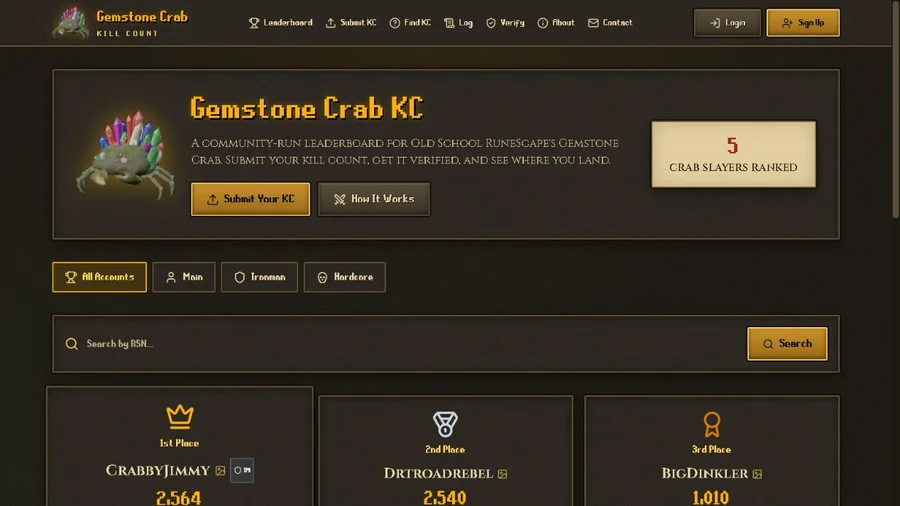
The game library and web services portfolio provide distinct routes within Dinks Gaming. Those routes can connect contextually when useful. For example, a community leaderboard article belongs near web work, while the Roblox boss project remains a separate game. Similar themes should not blur the identity of different products.
Use the home page as a useful introduction
The home page should make the identity and main choices clear. It can show a few strong projects, a concise introduction to the developer, and a route to the next action. It does not need to become the complete archive of every detail.
Choose featured work deliberately. The current Dinks showcase leads with Cursed Fishing, Lab 9, Tag Frenzy, and Lighthouse Keeper. That sequence communicates a range of experiences while using authentic media. A visitor can then continue to the full library for other projects.
Keep the route to supporting content visible. An article preview can invite someone to explore design thinking, but should not displace the main portfolio. A strong introduction balances immediate evidence with the opportunity to go deeper. It gives visitors control over how much they read before acting.
Make project details answer project questions
A detail page should explain the premise, platform, status, distinctive features, and next step. Use actual images and trailers where available. The page should add context that a card cannot contain, rather than repeat the card at a larger size.
Give unreleased work an accurate role. Chill Cast is in development; Lighthouse Keeper has a dedicated site and a planned itch.io release. Those projects can show creative direction without pretending to be completed downloads. Clear status helps visitors assess the work fairly.
Game landing page planning explores the individual page in more depth. In a portfolio, the detail page also needs a path back to related work. That connection lets someone interested in one project discover the broader range without losing their place.
Let the biography connect the skills
An About page should explain why the work belongs together. It can connect marketing perspective, game development, web design, and automation through the person’s interests and confirmed experience. It should not rely on a list of generic strengths alone.
Use concrete portfolio examples to support the connection. A game demonstrates attention to interaction; a directory shows a different kind of visitor journey; a community leaderboard shows structured participation. These are descriptions of the work’s purpose, not proof of unmeasured commercial outcomes.
Alex’s developer page is the right place for personal background and verified career detail. Keep that information distinct from project pages so each page has a clear role. The biography can link outward to examples, while project pages can link back to the person behind them.
Place articles where they deepen understanding
Articles can explain design decisions, planning methods, and practical website or automation questions. They should provide useful answers for the portfolio’s actual audiences. A library of unrelated topics can make the site’s identity harder to understand.
Group guides by need rather than by an arbitrary publishing calendar. Game design, development process, websites, discovery, and automation give readers meaningful starting points. A guide can link to a relevant project when the example helps explain the subject.
Search intent ownership explains why a guide should not compete with a product page for exactly the same job. A Lab 9 page introduces the game; a sound-design guide explains a particular design question. Their contextual connection strengthens the reader journey because the pages offer different kinds of value.
Keep contact routes consistent
Visitors should find the same public contact identity across the site. A contact page can provide a useful form and direct email route. Project pages and article CTAs can lead there with context appropriate to the current topic.
Choose CTA language that describes the conversation. “Discuss a community website” is more useful beside a leaderboard guide than a generic command. The form can then help the visitor explain the project without requiring them to repeat every detail they just read.
Contact delivery planning examines the technical handoff. Information architecture includes that handoff because a clear page journey is incomplete if the enquiry disappears or the visitor cannot tell what happened after submitting.
Review the structure through realistic tasks
Ask someone to find a playable game, someone else to identify a relevant website project, and another person to learn about the developer. Observe which labels they use and where they hesitate. Those tasks reveal more than a general opinion about the menu.
Test direct arrival on an article or project page too. Many visitors will not begin at the home page. Breadcrumbs, related links, and consistent navigation should help them understand where they are and what to do next.
A well-structured portfolio makes the range of work easier to appreciate. Each page has a purpose, each collection uses appropriate context, and the biography explains the connection. The site can then feel like one creative identity while serving the practical questions of players, clients, and collaborators.
Review a visitor who changes purpose
Someone may arrive to try a game, then notice the web portfolio and become interested in a project conversation. That change of purpose should feel natural. A clear developer identity and a visible route to services can connect the two without placing a sales prompt inside every game description.
Follow the reverse journey too. A website client may use the games to understand the developer’s creative range. They need enough context to see the relevance, while the services page remains the place for the offer and enquiry. This review helps the portfolio connect its audiences through evidence and identity. It should not force every visitor down the same sequence simply because the site has several kinds of work to show.