A solo game project needs a scope that fits the whole production, not only the exciting prototype. Controls, artwork, interface, audio, testing, publishing, and maintenance all compete for the same person’s time. A small idea can become expensive when its systems depend on one another. Planning scope means choosing a complete experience whose essential parts can actually be built and checked.
Alex Koch’s developer profile places game development alongside full-time digital marketing, websites, and automation. That makes scope a relevant topic for the Dinks portfolio. This guide offers a planning method rather than claiming Alex follows a particular schedule, uses a particular engine for every project, or has measured a universal production formula.
Write the experience before the feature list
Start with what the player will repeatedly do and why it should be enjoyable. “Escape a sound-sensitive threat with friends” describes an experience. A list containing inventory, matchmaking, weather, crafting, and achievements does not explain which activity makes the game worth playing.
Choose a short sequence that proves the experience. It might contain one encounter, one decision, and a clear result. The sequence should be playable enough to reveal whether the central idea works, even when its presentation is rough.
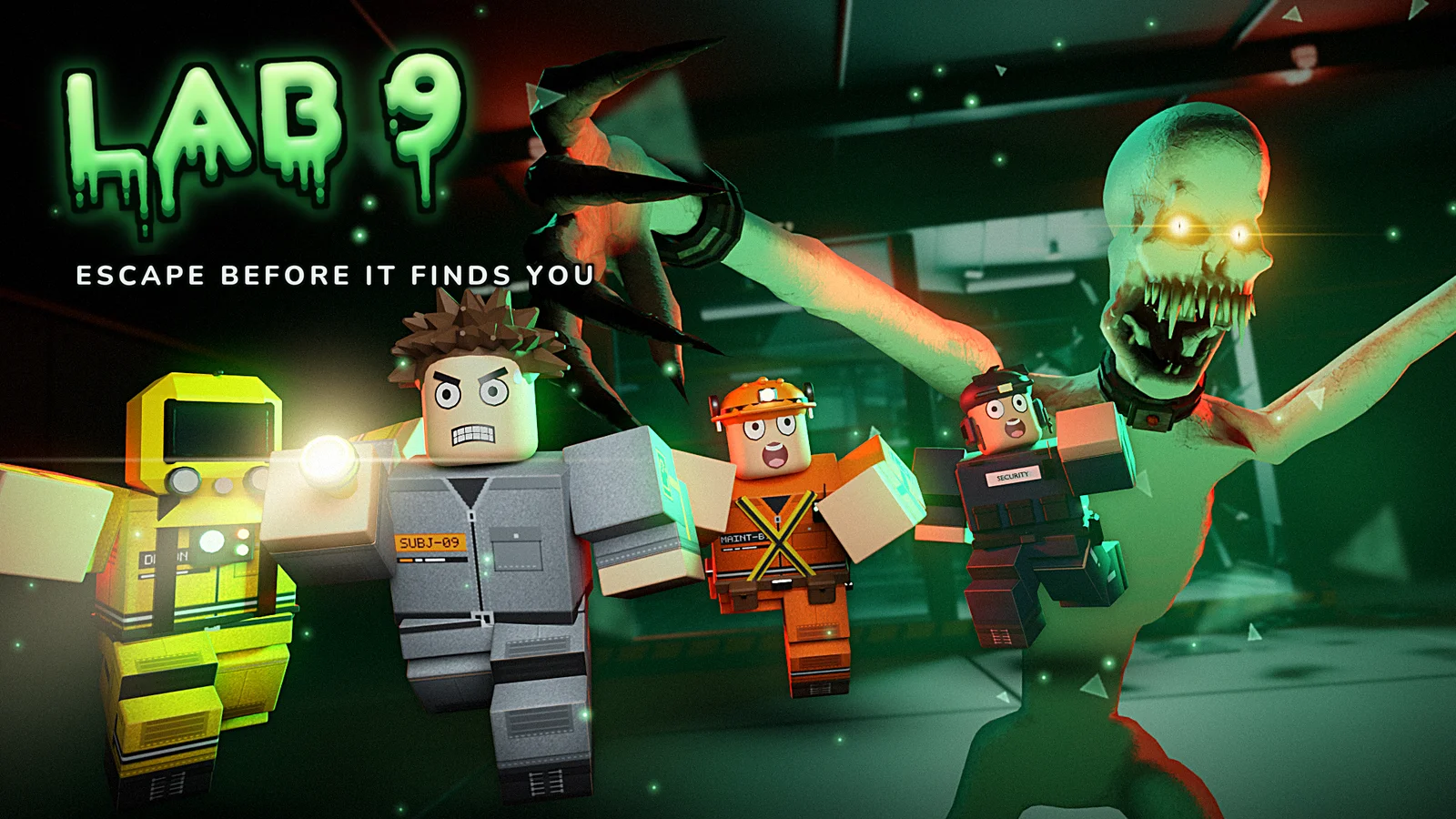
Keep the first promise narrow. Balloon Pop and Lab 9 illustrate very different public premises, but each can be described through a central activity. A scope document should preserve that clarity. Additional systems need to support the activity rather than becoming a substitute for deciding what the game is.
Separate essential systems from attractive additions
An essential system is something the promised experience cannot function without. An attractive addition may improve variety, identity, or convenience, but the game can still be understood without it. The distinction is easier to make with a concrete playable sequence than with an abstract genre label.
For each proposed feature, ask what player problem it solves. A new map may provide meaningful route variation. A cosmetic system may support personalization. Neither is automatically essential to proving the controls. A feature without a clear role deserves more investigation before it becomes a commitment.
Maintain a deferred list rather than treating every omitted idea as lost. The list preserves possibilities while protecting the current project. Review it at defined milestones, not every time a new idea appears. This reduces the cost of repeatedly changing direction before the existing experience has been tested.
Count dependencies, not just features
A seemingly small feature can touch many systems. An upgrade may need an acquisition rule, storage, interface, description, visual feedback, balance work, and tests across existing encounters. Its cost is the network of changes, not the length of the button label.
Draw that network in plain language. List what must exist before the feature works and what must be checked after it changes. Multiplayer introduces additional questions about shared state and participant behavior. Mobile introduces different input and display conditions. Those dependencies belong in the estimate from the beginning.
Shared boss design gives a useful example: a new arena adds more than scenery because it changes positioning, camera views, and warning visibility. Scope planning becomes more reliable when those relationships are visible. You can then compare a feature that expands several systems with one that deepens an already working decision.
Budget testing as production work
Testing is not merely a final pass after everything else is finished. It reveals whether the current work communicates its purpose. Reserve time to observe first-time play, repeat important situations, and fix the problems those observations expose.
Define the questions for each test. A movement prototype may need to prove that players can land intentionally. A later build may need to show that the objective is clear. Different questions require different levels of completeness, so the whole game does not need to be polished before learning something useful.
Use actionable playtest feedback to keep tests focused. A long list of preferences can expand scope unnecessarily if every suggestion becomes a feature. Concrete observations about the core experience deserve priority. Scope includes deciding which problems matter now and which can wait until the main promise works reliably.
Define a finish line people can observe
“Make it feel complete” is difficult to evaluate. Describe visible completion criteria instead: a player can begin, understand the main activity, reach a result, recover from common errors, and find accurate platform and release information. The exact criteria depend on whether the project is a prototype, alpha, or release.
Write those stages separately. An alpha can invite feedback while acknowledging unfinished tuning. A public release requires a more dependable experience and presentation. Vaultbreakers is identified as alpha in the portfolio; Chill Cast remains in development. Those labels communicate different expectations.
The finish line should include the unglamorous path around the game: settings, basic error handling, store assets, and contact information as applicable. A working central encounter is valuable, but it does not automatically make the entire project ready for its intended audience.
Protect time from simultaneous expansion
Working on several projects can make ideas flow, but each active project carries context and maintenance. Decide which project is receiving completion work and which is receiving exploration. Without that distinction, every promising prototype can compete with the current release.
Use small, reviewable milestones. A milestone might resolve one control problem or complete one usable route. It should produce something observable rather than simply consume a block of hours. This makes progress easier to judge when development happens around other responsibilities.
Avoid estimating an entire project from its fastest prototype session. Early work often uses temporary assets and ignores edge cases. Later integration reveals dependencies that were not visible before. Compare estimates with actual completed tasks and update the plan. The goal is not perfect prediction; it is a scope that becomes more informed as the project develops.
Make cuts preserve the identity
When a project needs to shrink, remove work that does not carry the central promise. Cutting every detail equally can leave all systems present but none convincing. A smaller complete experience can communicate its identity better than a large collection of unfinished possibilities.
Evaluate a cut through the player’s sequence. Does the opening still establish the activity? Does the middle contain a meaningful choice? Does the result give a reason to continue or return? Replayability planning can help deepen those choices without assuming that more locations are always necessary.
Keep the project’s public presentation aligned with the final scope. Remove promises that no longer apply and use authentic media from the current build. Indie game landing page planning covers that handoff. A finishable scope is not only a way to reduce work. It gives the player a coherent experience and gives the developer a concrete definition of what they are trying to complete.
Compare two ways to deepen one experience
Suppose a prototype’s central encounter works but repeated attempts feel similar. One option is a new location with new artwork. Another is a different objective using the existing space. List the dependencies of each: navigation, interface, explanation, asset work, and the combinations that need testing.
Then state what the player gains. The new location may offer a genuinely different route, while the new objective may change how the same route is used. Neither is automatically better. The comparison helps choose work that addresses the actual weakness within the available production capacity.
This exercise also makes cuts easier to explain. Removing an expensive addition can preserve the central promise when another focused change provides the needed depth. Scope is therefore an ongoing design decision, not only an initial estimate or a list of ideas that were abandoned.