A useful playtest turns observation into a decision. It does not need to produce a long report or unanimous agreement. It needs to reveal where a player’s understanding, action, or result differs from the intended experience. The most valuable feedback often concerns a specific moment: a warning missed, a route misunderstood, or a control that produced an unexpected outcome.
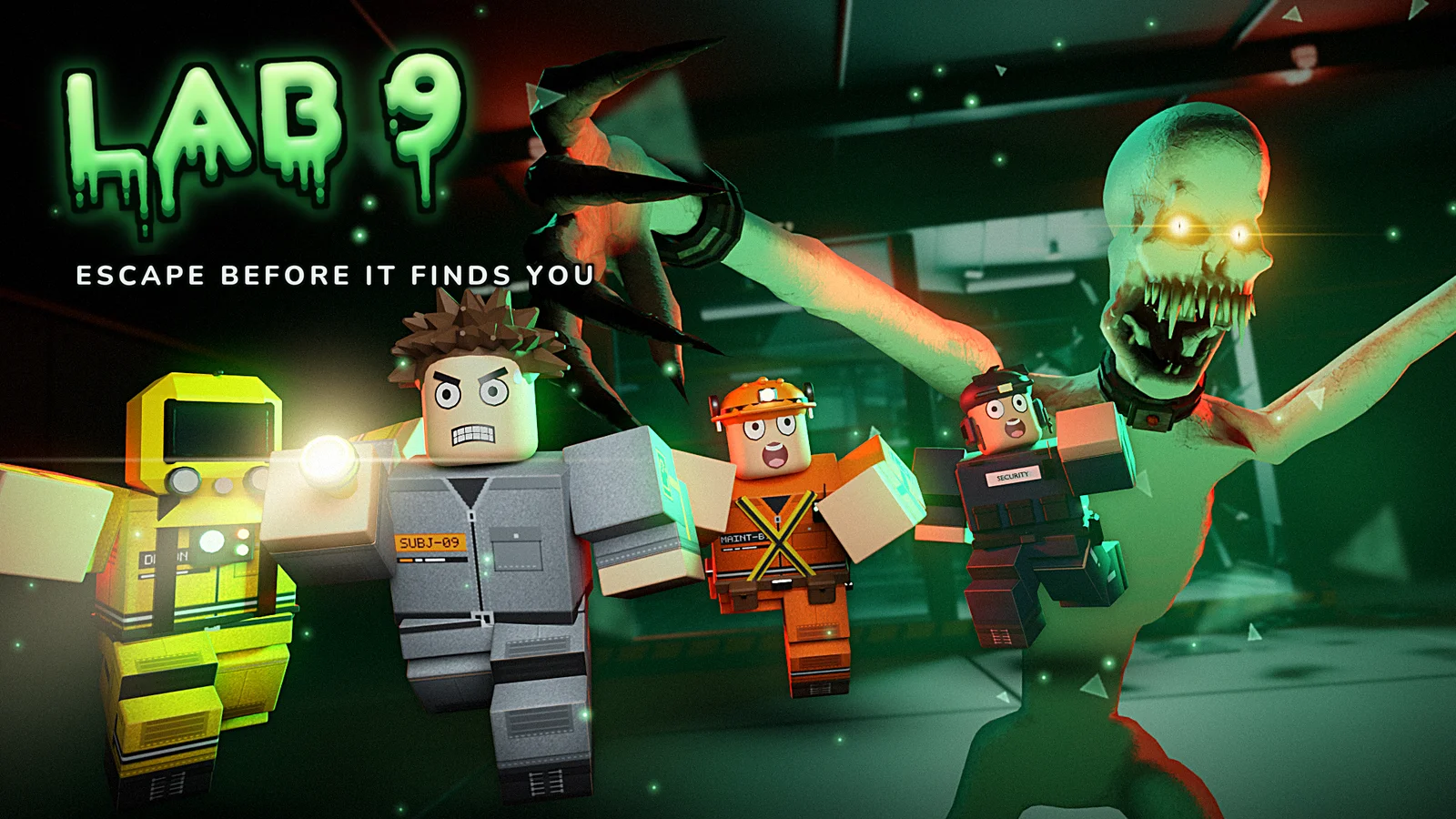
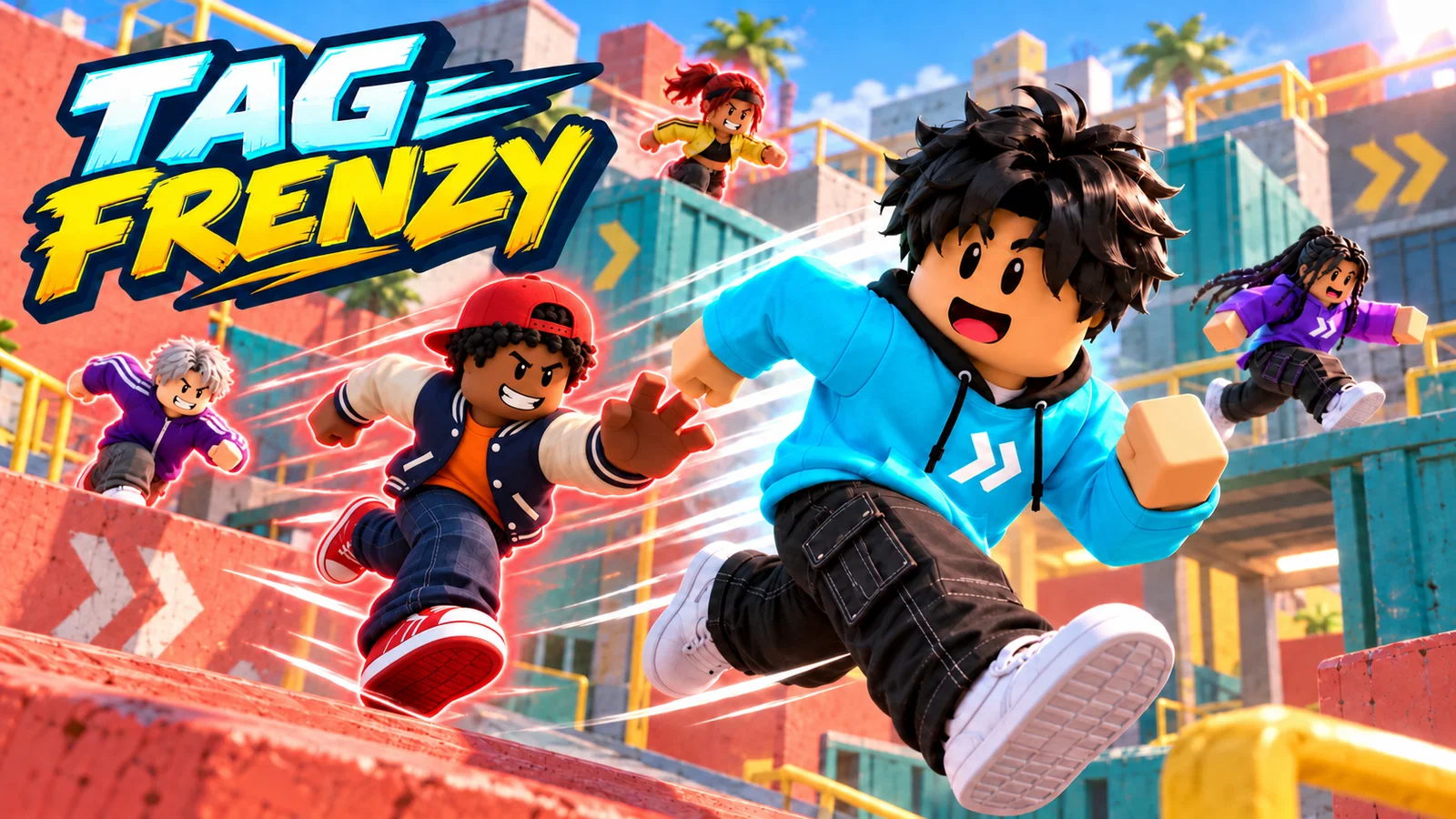
The Dinks game library includes arcade, movement, cooperative horror, survival, and fishing projects. Those genres ask different questions, so a single broad “Was it fun?” survey would leave much unexplained. This guide proposes a focused testing process without claiming access to private test results or inventing improvements achieved by any project.
Choose one question before the session
Decide what you want to learn. “Can a new player understand the first objective?” is a useful question. “Is the whole game good?” is too broad to connect to one change. A focused question also tells you how complete the build needs to be.
Write the intended behavior before observing it. The player might recognize a safe route, make a first successful cast, or recover from a missed jump. This does not mean forcing them through a prescribed sequence. It gives you a reference for identifying the point where understanding breaks down.
Avoid mixing unrelated questions into every session. If the build is meant to test movement, unfinished artwork may attract comments that do not answer the movement question. Explain the session’s focus briefly, then allow the player to act. You can record unrelated observations without letting them replace the original purpose.
Observe before explaining
When a player hesitates, the temptation is to help immediately. That help can remove the very evidence you need. Give them a reasonable opportunity to interpret the situation unless continuing would create an unnecessary problem or violate the conditions of the test.
Record what they saw and tried. A missed prompt and a misunderstood prompt are different issues. If you explain the objective before knowing which occurred, the next attempt may look successful without proving that the interface improved.
Use neutral questions when clarification is needed. Asking what the player is trying to do reveals their current model. Asking whether they noticed the correct button can lead them toward the answer. In movement onboarding, this distinction helps identify whether terrain, timing, or the control label caused confusion. The observation should precede the proposed fix.
Capture the moment, not only the opinion
A comment such as “the chase felt unfair” needs context. What happened just before it? Which warning was visible? What route did the player attempt? What did they expect? Those details make the feedback actionable and help separate several possible causes.
Keep a simple record with the situation, behavior, expected behavior, and uncertainty. A note that clearly admits uncertainty is more useful than a confident explanation based on one incomplete observation. You can then design another test to investigate the missing piece.
For a sound-sensitive horror game, ask what the player believed the threat could hear. Horror sound rules explains why that belief matters. If the belief differs from the intended rule, the issue may be teaching or feedback. Making the enemy slower might hide the symptom without clarifying the mechanic.
Separate usability from preference
Usability feedback concerns whether a player can understand and use the system. Preference concerns what kind of experience they enjoy. Both are valuable, but they call for different decisions. A player who dislikes competitive chases may still give excellent information about an unreadable route.
Look for repeated observable problems rather than simply counting strong opinions. Several players selecting the wrong target suggests a concrete issue. Several players preferring a different genre does not necessarily imply the current game needs to change genres.
Ask what would have helped in the confusing moment, but do not automatically implement the proposed feature. A player may request a map because landmarks are weak. A clearer landmark could solve the same problem with less interruption. Solo scope planning helps evaluate the cost and role of a proposed solution before adding another system.
Include the conditions that affect the result
Device, input method, familiarity, and group size can change the experience. Record the conditions relevant to your test. A desktop player with precise mouse input may not reveal the same target-selection problems as a phone player using a thumb.
For cooperative play, note what teammates explain to one another. The group can compensate for unclear teaching, making the environment appear more understandable than it is to a solo player. A solo comparison can reveal that difference.
Do not treat an emulator as proof of every real-device condition. Roblox’s performance design guidance notes that its device emulator is useful for aspects such as controls and aspect ratios but does not accurately represent memory consumption. Match the test method to the question instead of assuming one tool answers everything.
Choose the smallest meaningful change
After a session, rank observations by their effect on the main experience. A player unable to begin deserves attention before a minor preference about decoration. A repeated misunderstanding of the core rule deserves investigation before adding a new optional activity.
Change one important cause where practical. If you alter controls, warning effects, movement speed, and map layout together, a better result will not tell you which change helped. A small revision creates a clearer comparison and reduces the chance of creating unrelated problems.
Write the expected effect of the revision. For example, a clearer landing silhouette should help players choose the route before jumping. The next test should look for that behavior. This makes testing a loop of question, observation, change, and comparison rather than a one-time collection of comments.
Close the loop with another observation
Repeat the relevant situation after the change. Where possible, include someone who has not seen the earlier version so learned knowledge does not conceal a teaching problem. Compare the specific behavior, not only the overall mood of the session.
Keep the original notes. They provide a useful record of why the change was made and what evidence supports it. If a later feature creates the same confusion, you can investigate the relationship rather than starting from a vague memory.
Testing also informs public presentation. If players consistently misunderstand the premise before starting, the game landing page may need a clearer explanation or better media. A useful playtest therefore helps both the game and the path into it. The goal is to leave with fewer uncertain decisions and a concrete next step, not to prove that every player will enjoy every part of the experience.
A worked observation record
Imagine a player reaches a junction, stops, opens a menu, and then returns to the previous room. The observation is that sequence. The interpretation might be that the next objective was unclear, but that remains a hypothesis until you ask what they were trying to do.
If they explain that they were looking for a route marker, compare the visible landmark with the intended destination. A revision might make the landmark clearer or place the relevant prompt earlier. Write the expected outcome: the player should identify the next route before opening the menu.
In the next session, observe the same junction. If the player now recognizes the route but still cannot use it, the original change may have solved orientation while revealing a separate control problem. Keep those findings distinct. This small example shows why precise notes are valuable: they prevent every hesitation from becoming one broad conclusion that the whole level needs redesigning.